
CNC Machining
Computer-controlled turning and milling for parts that have to measure exactly what the print says, from a single unit to production runs.
View this serviceIn a regulated plant, a part is worth not how it looks but what it can prove. Our quality department verifies every job against the print with calibrated instruments and documents the result. When your customer asks for a first-article report, it ships in the box, not three days later by email.
Every part leaving the shop goes through dimensional control. Critical characteristics are inspected 100 %; the rest by a sampling plan agreed with you. Readings are logged and available later if a quality question comes up.
We document every drawing characteristic with its nominal value, its tolerance and the reading obtained, noting the instrument used. It is the document your auditor will ask for and the one that prevents a full argument at receiving inspection.
We also verify parts we did not make: to settle a discrepancy with a supplier, to validate a suspect lot or to capture dimensions from a part with no drawing. You get a written disposition, not a verbal opinion.
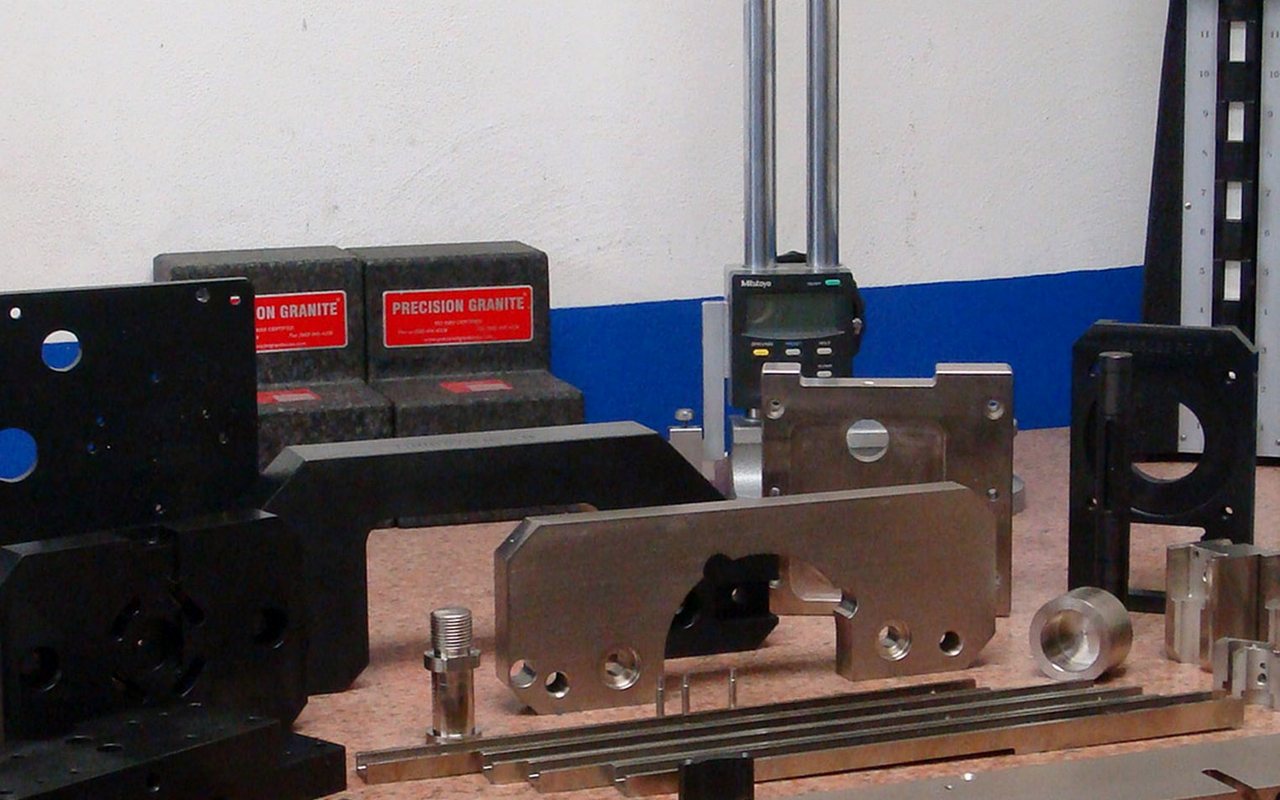
The same dimension can produce three different results depending on what measured it. A vernier caliper cannot verify a two-hundredth tolerance: its uncertainty swallows the whole range. So we pick the instrument by the tolerance being checked — micrometer for critical diameters, indicator on a magnetic base for concentricity and runout, gage blocks to verify the instrument itself, granite table for flatness — and we record which one was used. When your auditor asks how it was measured, the answer is in the report.
Yes, with current, traceable calibration. The instrument record appears on every report we issue.
Yes. We do it often when a plant and a supplier disagree and an independent written disposition is needed.
Computer-controlled turning and milling for parts that have to measure exactly what the print says, from a single unit to production runs.
View this service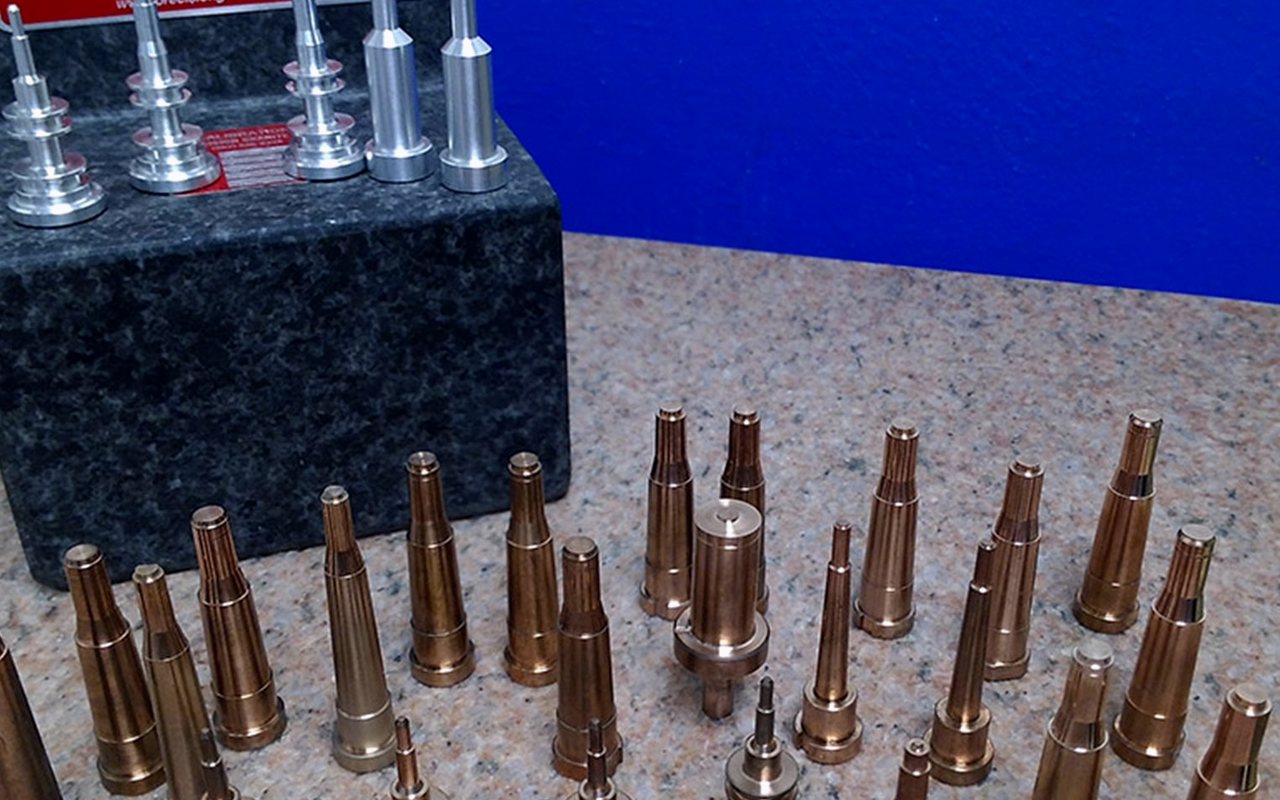
Critical parts where fit, concentricity and finish decide whether the assembly works or the line stops.
View this service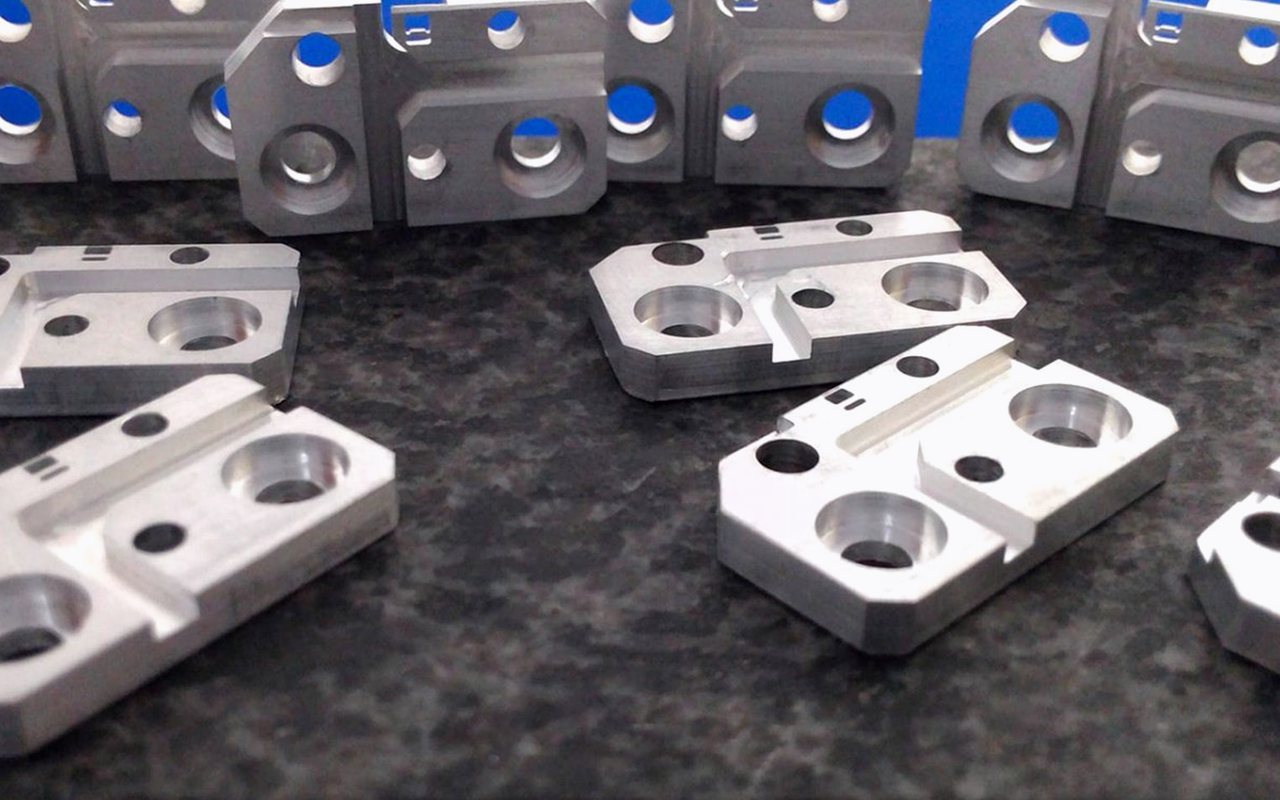
Die shoes, ground plates, punches and dies in hardened tool steel, built and maintained for real production.
View this serviceSend your drawing in PDF, STEP, IGES or DXF and get a technical and commercial proposal in under 24 business hours.